StrongBase Pro — Seated Trainer
StrongBase Pro — Seated Trainer
 Strong legs, even if you sit all day
Stand up without stiffness
Stop your legs from aging
Strength that fits into your workday
NEW YEAR SALE
Couldn't load pickup availability
1-Year Satisfaction Return Policy
- Apple pay payment method
- Google pay payment method
- Master payment method
- Visa payment method
- Paypal payment method
- American express payment method
- Klarna payment method

StrongBase Pro — Seated Trainer



Featured on


The easiest way to protect your body from a desk job
Squeeze in and out at your desk, working from home, or anytime you’re stuck sitting 6+ hours a day. Small enough to use during meetings or downtime.
Wake up muscles sitting turns off
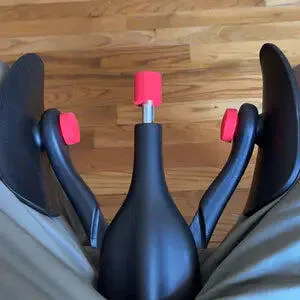
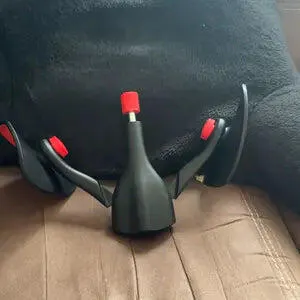
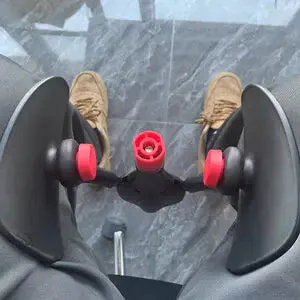
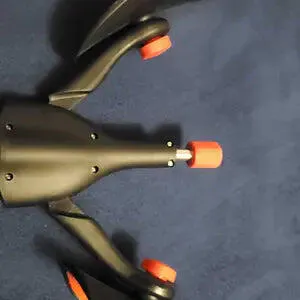
Rotating pads lock in for full contact on legs or arms—no slipping, no dead zones.
Strength that actually carries into daily life
7–16kg of real resistance to start light, progress safely, and keep everyday movement easy
1-Year Return Policy
✓ No Gym Required
✓ Used by Pro Athletes
1-Year Return Policy
✓ No Gym Required
✓ Used by Pro Athletes
1-Year Return Policy
✓ No Gym Required
✓ Used by Pro Athletes
1-Year Return Policy
✓ No Gym Required
✓ Used by Pro Athletes
1-Year Return Policy
✓ No Gym Required
✓ Used by Pro Athletes
1-Year Return Policy
✓ No Gym Required
✓ Used by Pro Athletes
1-Year Return Policy
✓ No Gym Required
✓ Used by Pro Athletes
1-Year Return Policy
✓ No Gym Required
✓ Used by Pro Athletes
1-Year Return Policy
✓ No Gym Required
✓ Used by Pro Athletes
1-Year Return Policy
✓ No Gym Required
✓ Used by Pro Athletes
1-Year Return Policy
✓ No Gym Required
✓ Used by Pro Athletes
1-Year Return Policy
✓ No Gym Required
✓ Used by Pro Athletes

INNER THIGH & GROIN TRAINING
How to Use: Place between thighs while sitting on chair | Squeeze inward, release slowly
3 sets × 15-20 reps | Daily (10 minutes)
✓ Adductors (Inner Thighs)
→ Prevents recurring groin strains
→ Builds strength where stretching fails
✓ Pelvic Floor
→ Stabilizes your core foundation
→ Reduces lower back pain
✓ Hip Stabilizers
→ Stops knee collapse in squats
→ Improves stride control

HIP & GLUTE STRENGTHENING
How to Use: Pace between thighs while in squat position | Hold steady, squeeze through movement
3 sets × 12-15 reps | Daily (8 minutes)
✓ Hip Stabilizers
→ Reverses sitting-induced weakness
→ Improves balance and mobility
✓ Adductors (Inner Thighs)
→ Stabilizes knees during movement
→ Prevents lateral knee pain
✓ Glutes
→ Activates dormant glute muscles
✓ Pelvic Floor
→ Reduces Sacroiliac joint pain

CORE & ABDOMINAL ACTIVATION
How to Use: Place between thighs while lying on back doing crunches | Maintain squeeze during core movements
3 sets × 10-12 reps per side | 3x per week (6 minutes)
✓ Core (Abs)
→ Builds functional core strength
→ Improves rotational power
✓ Adductors (Inner Thighs)
→ Maintains tension under load
→ Teaches total-body stability
✓ Pelvic Floor
→ Connects core to hip control
✓ Hip Stabilizers
→ Coordinates hip and core as one unit

UPPER BODY TONING
How to Use: Hold device vertically between hands at chest level | Press inward, hold tension
2 sets × 20-30 seconds hold | 2-3x per week (3 minutes)
✓ Biceps
→ Builds arm strength
→ Improves grip endurance
✓ Chest
→ Tones pectoral muscles
→ Strengthens pressing movements
✓ Forearm
→ Improves carry strength
✓ Shoulders
→ Stabilizes shoulder joints

The Smart Alternative to Bodyweight Training
Used by desk workers who care more about staying pain-free and mobile than “just living with it.

Extra Bonus — order today and get FREE Office Fitness Guide (worth $29.96)
Don’t Let Your Chair Win — a practical fitness guide for people who sit all day, helping you reverse stiffness, improve posture, and stay pain-free at work.
FAQ
1. I sit all day - how fast will I notice a difference?
1. I sit all day - how fast will I notice a difference?
Most people feel less stiffness and better leg engagement within 7–10 days.
That’s your inner thighs and hips finally turning back on instead of relying on stretching and posture fixes.
- By 3–4 weeks, sitting feels easier and standing up feels smoother.
- By 6–8 weeks, many notice less recurring hip, knee, and lower-back pain.
Pain often drops before strength returns—this helps close that gap.
2. Why doesn’t stretching or walking fix this long term?
2. Why doesn’t stretching or walking fix this long term?
Because desk pain isn’t caused by tight muscles, it’s caused by weak muscles that have been inactive too long.
Stretching feels good, but it doesn’t rebuild strength or improve load tolerance for standing, walking, or daily movement.
That’s why rehab focuses on loaded activation, not endless stretching.
3. Why do I feel “fine” until I stand up, walk, or sit too long again?
3. Why do I feel “fine” until I stand up, walk, or sit too long again?
Because sitting hides the problem. Daily movement places load on muscles that have been shut off all day.
When they can’t handle it:
- Pain disappears at rest
- Returns when you stand, walk, or sit for hours again
This trains the muscles to handle real-life sitting and standing, not just feel loose for an hour.
4. How is this different from squeeze balls or light desk gadgets?
4. How is this different from squeeze balls or light desk gadgets?
Most tools are too light or inconsistent to change anything. This provides 7–16kg of progressive resistance, shown to:
- Rebuild inner-thigh and hip strength
- Improve circulation and posture support
- Reduce recurring stiffness and pain
Progressive load is what actually creates change.
5. Will this make me more sore or aggravate things?
5. Will this make me more sore or aggravate things?
No. It uses controlled isometric loading, commonly used in rehab because it:
- Builds strength without joint strain
- Reduces pain sensitivity
- Can be used daily without flare-ups
Start light. Build gradually. That’s how desk-damaged muscles recover safely.
6. What is the delivery time?
6. What is the delivery time?
Delivery typically takes 6 to 10 business days to ensure each order passes a careful quality inspection and is securely packaged before shipping.
7. Is this for prevention or pain relief?
7. Is this for prevention or pain relief?
Both.
- If you already feel stiff or sore, it helps rebuild lost strength
- If you’re pain-free but sit 6–10 hours a day, it helps prevent future issues
⚠️ If you’ve had recent surgery or a diagnosed injury, get medical clearance first